Water Heater Repair in South Carolina
Restoring domestic hot water across South Carolina requires direct mechanical troubleshooting. Plumbing technicians test dual thermostats, replace burnt-out heating elements, and clear heavy calcium sediment before minor leaks cause catastrophic water damage.
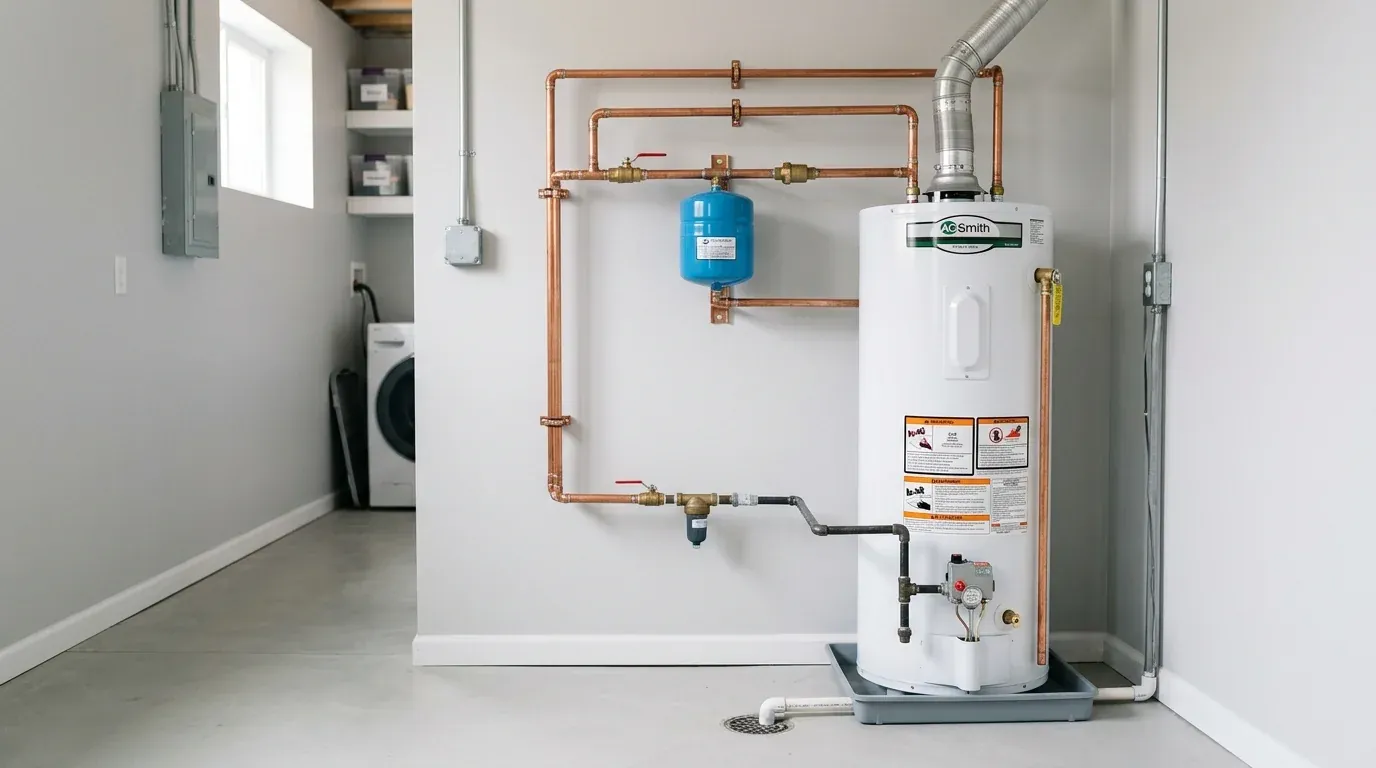
Dependable Water Heater Repair and Diagnostic Services in South Carolina
Tepid water that never reaches full operating temperature often stems from a cracked cold water dip tube or a burnt-out lower electrical element. When a dip tube fractures near the top of the vessel, incoming cold water mixes directly with hot water leaving the outlet nipple rather than settling at the bottom burner zone. Families across South Carolina frequently endure short showers without realizing a simple mechanical replacement solves the problem.
Replacing a dip tube requires disconnecting the cold supply union and extracting the plastic tube without damaging the internal tank threads. For electric models, verifying 240-volt power across dual thermostats reveals whether the upper thermostat is failing to transfer power to the lower heating assembly. Installing high-density incoloy elements ensures superior resistance to dry firing and mineral accumulation.
Property owners contact Water Heater Plumbing to schedule accurate water heater diagnostics that target the root cause of lukewarm water. Technicians arrive prepared to test electrical circuitry and replace faulty components without delays.
Water Heating & Plumbing Services in South Carolina
- Water Heater Repair: Fast diagnostic testing and component repairs for gas, electric, and hybrid tank water heaters experiencing pilot failures, leaks, or lukewarm water.
- Tankless Water Heater Installation & Repair: Specialized diagnostics, mineral descaling, error code clearing, and precision burner servicing for on-demand gas and electric tankless units.
- Water Heater Replacement & Installation: Complete removal of obsolete, rusted, or ruptured storage tanks with code-compliant installation of high-efficiency gas and electric water heaters.
- Emergency Plumbing & Burst Pipe Repair: Urgent dispatch for burst supply lines, sudden pipe fractures, failed main shutoff valves, and severe active residential plumbing leaks.
- Drain Cleaning & Hydro Jetting: Heavy-duty motorized snaking and high-pressure hydro jetting to clear stubborn grease, mineral scale, and root intrusions from main sewer lines.
- Gas & Electric Water Heater Maintenance: Annual sediment flushing, sacrificial anode rod replacement, thermal efficiency testing, and pressure relief valve inspections to double tank life.
Major water heater manufacturers serviced across South Carolina:
Areas We Serve in South Carolina
Connect directly with local plumbing technicians across these South Carolina cities and surrounding communities:
Questions About Water Heater Repair in South Carolina
Thorough electrical and gas safety diagnostics take between thirty and forty-five minutes on site. Technicians check burner flame color, measure thermostat voltage, check expansion tank air pressure, and verify flue draft. The technician explains whether a minor component repair will restore dependable service.
Trapped water boiling beneath a heavy layer of calcium sediment creates that distinctive kettle-popping noise. In regions like South Carolina with hard municipal water, dissolved minerals precipitate to the tank floor, forming an insulating crust. Flushing the sediment clears the burner zone, restoring quiet heat transfer.
Localized mineral scale accumulation inside the hot water outlet nipple or a stuck heat trap ball valve restricts hot water flow. Hard water calcification narrows internal pipe diameters, dropping volume at shower heads and sink taps. Plumbers replace corroded heat trap nipples and descale connection lines to restore flow.
Mineral crust acts as an unwanted thermal barrier between the heat source and your home water supply. Gas burners must fire twice as long to penetrate limestone deposits, whereas electric elements overheat and fail early. Routine descaling flushes restore thermal transfer efficiency back to factory specifications.
Water at 140 degrees causes second-degree burns on human skin in three seconds, presenting a severe scalding hazard. Higher temperatures also accelerate mineral sedimentation inside the tank by more than double. Setting thermostats to 120 degrees ensures safe domestic use while curtailing unnecessary standby energy losses.
Fast Water Heater Repair Across South Carolina
Connect with our dispatch network to reach experienced plumbing technicians in South Carolina ready to resolve your hot water disruption.