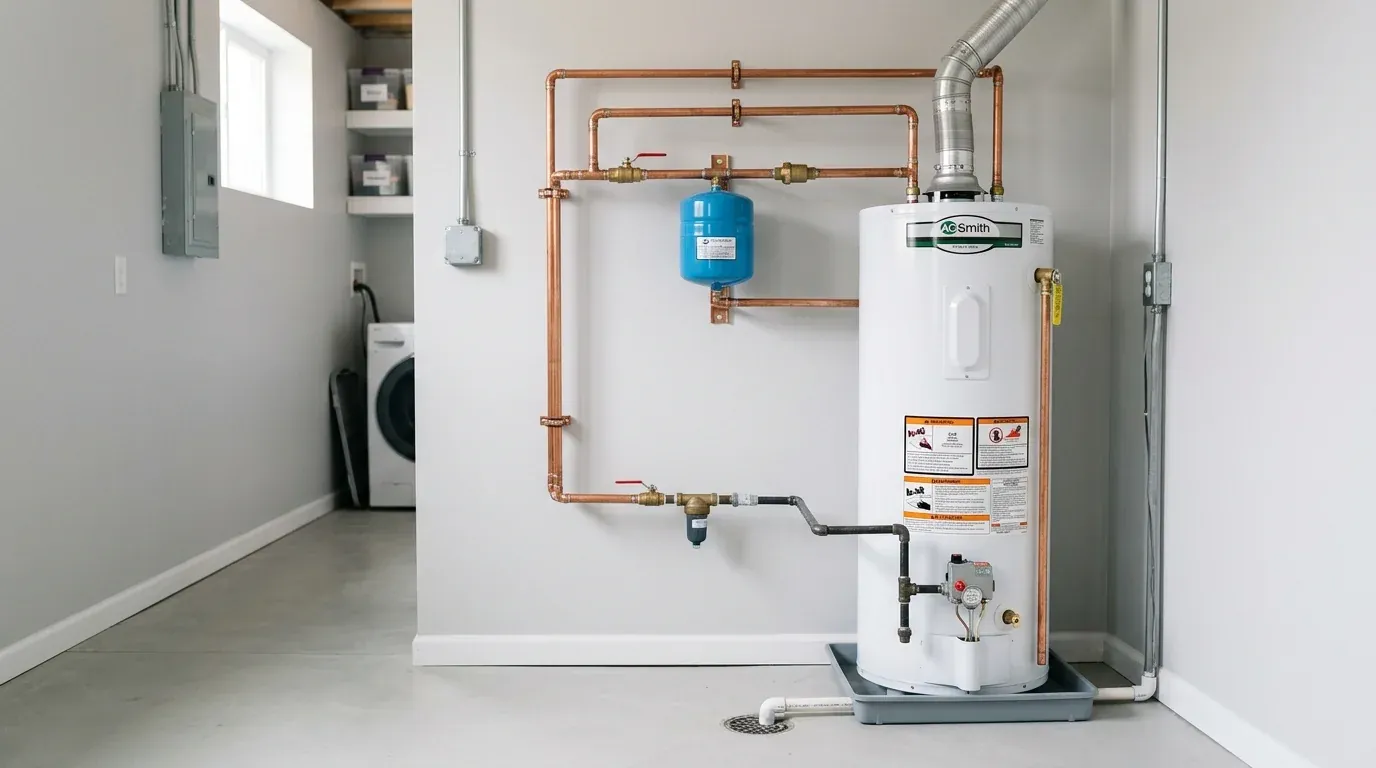
Pressurized plumbing leaks threaten structural framing, subfloors, and finished drywall within minutes of pipe rupture. Whether caused by winter freeze-thaw expansion, failing compression fittings, or corroded copper joints, active water line breaks require immediate professional isolation. Experienced plumbing technicians locate hidden pipe leaks behind walls using acoustic listening equipment and thermal cameras, bypassing invasive drywall destruction. Technicians cut out compromised piping sections, crimp professional PEX or soldered copper couplings, and install durable quarter-turn ball valves. Testing domestic water pressure ensures municipal pressure surges cannot rupture remaining pipe runs, protecting your property against recurring plumbing disasters.
Core Procedures & Diagnostics
Fast Line Isolation
Shutting down pressurized supply branches to halt immediate water destruction.
Freeze Damage Repair
Thawing frozen sections safely and replacing split copper or PEX tubing.
Pressure Regulation
Testing home water pressure and replacing failed pressure reducing valves exceeding 80 PSI.
Durable Pipe Coupling
Installing soldered copper sleeves or crimp-ring PEX couplings for permanent repairs.
Frequently Asked Questions About Emergency Plumbing & Burst Pipe Repair
Turn the main household water shutoff valve clockwise immediately to cut street water pressure. Opening low-level sink faucets drains residual water from upper pipes into drains rather than onto your floors. Calling our dispatch desk routes a plumber to make permanent repairs.
Ice expands roughly nine percent, placing extreme radial pressure on copper and plastic pipe walls before thawing begins. If a pipe has frozen, hairline fractures often open unnoticed until melting ice releases pressurized water. Gentle controlled thawing while monitoring shutoff valves is critical.
Technicians utilize thermal imaging cameras to spot cold moisture signatures and acoustic microphones to pinpoint the hiss of pressurized spray. Pinpoint leak detection minimizes the need to open large exploratory drywall holes.
Aggressive municipal water chemistry, chloramine corrosion, and excessive water velocity cause internal pitting in thin-walled copper pipes. Technicians cut out oxidized sections and splice in corrosion-resistant PEX tubing.
Water pressure exceeding 80 PSI strains supply flex lines, washing machine hoses, and solder joints continuously. Installing a calibrated pressure reducing valve on the main supply line keeps household pressure at a safe 55 to 65 PSI.
Flexible cross-linked polyethylene tubing expands slightly under internal ice pressure, making it significantly more freeze-resistant than rigid copper. However, PEX brass and plastic fittings remain vulnerable to thermal stress cracking during deep freezes.
Older gate valves with turning wheel handles corrode internally, causing the gate wedge to stick or break off the stem. Plumbers freeze the service pipe or coordinate municipal street curb stops to replace old gate valves with modern quarter-turn brass ball valves.
Mold spores begin colonizing damp drywall and carpet padding within twenty-four to forty-eight hours of water exposure. Halting the leak promptly and running commercial dehumidifiers protects indoor air quality and structural integrity.
Book Emergency Plumbing & Burst Pipe Repair
Speak with our dispatch team to check local technician availability and get an upfront price estimate.