Water Heater Repair in Minnesota
Restoring domestic hot water across Minnesota requires direct mechanical troubleshooting. Plumbing technicians test dual thermostats, replace burnt-out heating elements, and clear heavy calcium sediment before minor leaks cause catastrophic water damage.
Local Water Heater Repair and Tank Replacement in Minnesota
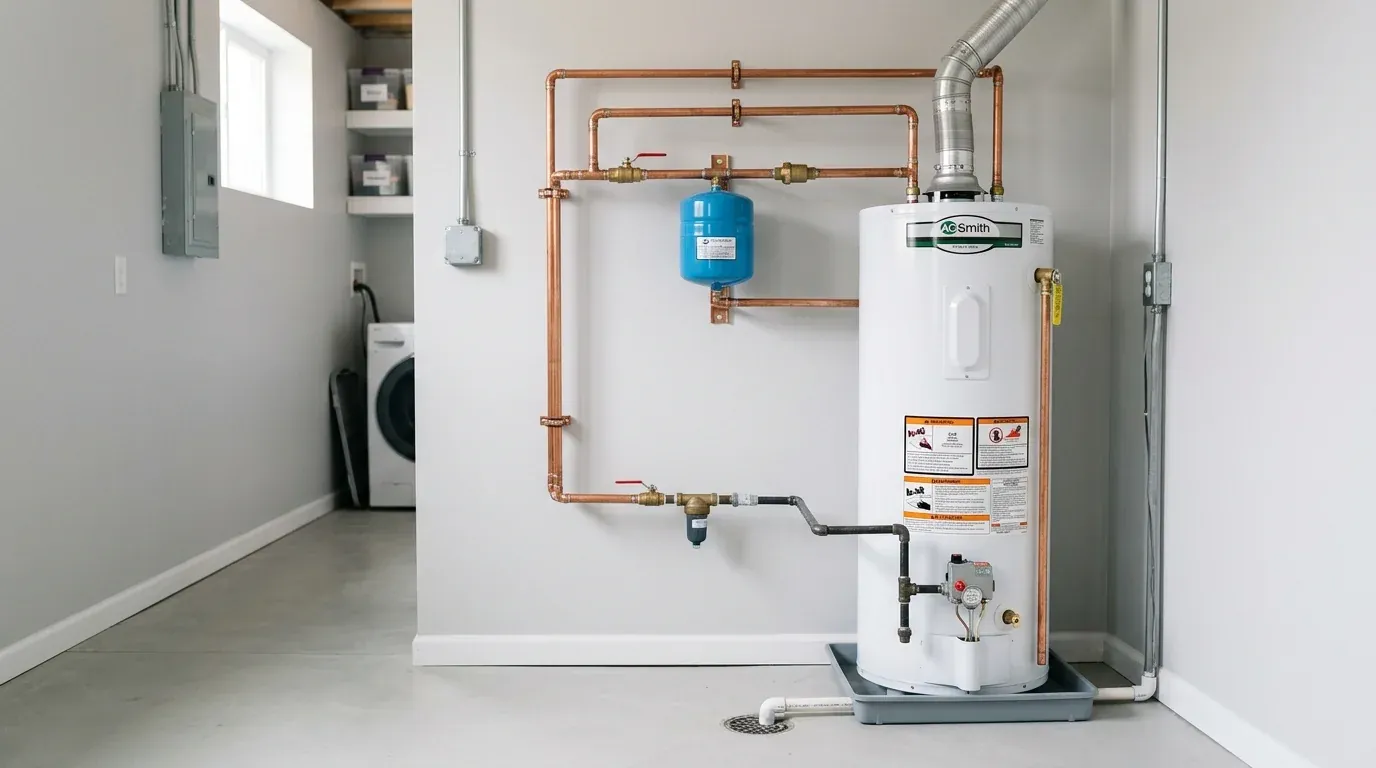
Moisture pooling around the base of a water heater requires rapid investigation before standing water damages nearby baseboards and drywall. While a dripping temperature-and-pressure relief valve indicates high thermal expansion or excess line pressure, water seeping directly through the outer steel skin usually means internal tank rupture. Residents throughout Minnesota must isolate water and power feeds quickly to minimize structural property damage.
Shutting off the dedicated cold water supply valve directly above the tank halts pressurized flow while keeping fixtures elsewhere in the building operational. Technicians measure municipal line pressure with an accurate test gauge, verifying whether street surges exceed eighty pounds per square inch. Installing an auxiliary expansion tank dampens thermal expansion spikes that rupture weak pipe joints and trip pressure valves.
Homeowners rely on Water Heater Plumbing to dispatch technicians who test relief valves, replace weeping brass drain fittings, and isolate plumbing leaks. Straightforward quotes ensure you understand the exact scope of repair or replacement required for your system.
Water Heating & Plumbing Services in Minnesota
- Water Heater Repair: Fast diagnostic testing and component repairs for gas, electric, and hybrid tank water heaters experiencing pilot failures, leaks, or lukewarm water.
- Tankless Water Heater Installation & Repair: Specialized diagnostics, mineral descaling, error code clearing, and precision burner servicing for on-demand gas and electric tankless units.
- Water Heater Replacement & Installation: Complete removal of obsolete, rusted, or ruptured storage tanks with code-compliant installation of high-efficiency gas and electric water heaters.
- Emergency Plumbing & Burst Pipe Repair: Urgent dispatch for burst supply lines, sudden pipe fractures, failed main shutoff valves, and severe active residential plumbing leaks.
- Drain Cleaning & Hydro Jetting: Heavy-duty motorized snaking and high-pressure hydro jetting to clear stubborn grease, mineral scale, and root intrusions from main sewer lines.
- Gas & Electric Water Heater Maintenance: Annual sediment flushing, sacrificial anode rod replacement, thermal efficiency testing, and pressure relief valve inspections to double tank life.
Major water heater manufacturers serviced across Minnesota:
Areas We Serve in Minnesota
Connect directly with local plumbing technicians across these Minnesota cities and surrounding communities:
Questions About Water Heater Repair in Minnesota
Harmless sulfur bacteria in the water supply react biochemically with the factory magnesium anode rod, releasing hydrogen sulfide gas. Replacing the standard magnesium rod with an aluminum-zinc alloy rod neutralizes the chemical reaction. Sanitizing the empty tank with a mild hydrogen peroxide flush eliminates lingering odors.
Moisture around the base often trickles down from loose dielectric unions, a weeping drain valve, or the temperature and pressure relief discharge pipe. Plumbers dry the tank surface and dust it with talc or inspect the fittings with an inspection mirror. Internal steel tank fractures require replacement, whereas threaded fitting leaks take simple repairs.
Sudden loss of hot water volume usually points to a fractured dip tube or a burned-out lower heating element. A broken dip tube allows incoming cold water to spill straight into the top outlet instead of forcing water down to the burner. A plumber tests element resistance with an ohmmeter before replacing components.
Yes, standard standing pilot assemblies feature a replaceable thermocouple that disconnects easily from the gas control valve. Technicians measure the closed-circuit direct current millivolts using a multimeter; readings under 20 millivolts confirm the sensor has degraded. Replacing just the thermocouple copper lead takes under thirty minutes.
Inspect anode rods every two to three years, particularly in areas with aggressive or softened water. The magnesium or aluminum rod willingly sacrifices its metal to electrical currents, saving the steel tank wall from rust. Replacing the rod before the core steel wire shows extends heater lifespan dramatically.
Fast Water Heater Repair Across Minnesota
Connect with our dispatch network to reach experienced plumbing technicians in Minnesota ready to resolve your hot water disruption.